Sustainable Farming Practices: Optimizing The Sustainability of Your Farming Operation
What is sustainable farming? Organic Farming, Agroecology, Permaculture, Agroforestry
Sustainability is widely defined as the ability to meet current needs and demands without compromising the ability to do so in the future. Like most industries, there is a widespread consensus that agriculture must make maximum efforts towards sustainability. While social and environmental responsibility may be motivating factors, farmers may change their behaviour as a result of education andthe changing perception of risks and benefits associated with organic farming, agroecology, permaculture, and the available technology [1]. For educated agricultural professionals, is clear that profits are maximized by aligning their farming practices with sustainability.
Economic Benefits of Sustainable Farming
The economic profits of sustainable farming are due to reduced costs and increased profits due to the long-term stability of the income over time. While initially, a sustainable farming operation will take investment and planning, natural methods like crop rotation and biodiversity cost less money year over year than synthetic fertilizers and pesticides [2].Having diverse crops reduces a farming operation’s dependence on a single product which, in turn, distributes the risk and reliance on a singular stream of income. Additionally, high-quality, organic produce will yield a greater profit due to its increasing global demand.
Social Benefit of Sustainable Farming
 Sustainable farming offers many social benefits for workers, the local community, and society as a whole. An organization that takes steps towards sustainability, particularly environmental sustainability, will foster a positive reputation with the community. Workers and community members will feel their work and support are going toward the greater good while money is kept circulating within their local community. Focus on the local community is particularly important in rural communities where suppressed local economies increasingly experience constraints on access to healthy and fresh foods [3]. While large corporations certainly can maximize their profit margins by importing transport-friendly foods (frozen, packaged, containing preservatives), these short-term gains do not keep money local and reduce the need for local labour, thereby suppressing the local economy further. Agricultural operations must be aware of their role in the food supply network and how their actions may affect the health, well-being, and longevity of a community which in turn makes up their very own local workforce.
The Environmental Benefits of Sustainable Farming
An incredible aspect of sustainable farming is that the sustainability of operations leads to environmental sustainability. A focus on the longevity of the entire operation – from the workforce, the technology, the soil, the biodiversity, the crop yield – naturally lends way to the least negative impact on the environment. It is soil health that is one of the most important aspects of the sustainability of a farming operation. A healthy soil leads to greater and better yield year over year. Soil is kept healthy by preserving the most carbon-containing organic material. The farming practices that maximize the fertility of the soil also keep carbon emissions into the atmosphere as low as possible. A lower carbon footprint leads to a slowing of climate change which is a threat to not only agricultural operations but the global community as a whole. The harmony between biodiverse farming operations and local natural ecosystems leads to reduced soil erosion which makes the farming operations better able to withstand extreme weather events such as droughts, floods, storms, and extreme temperatures. This incredible harmony demonstrates how sustainable farming begets environmental health and vice versa.
Fundamentals of Sustainable Farming
Sustainable Soil Management
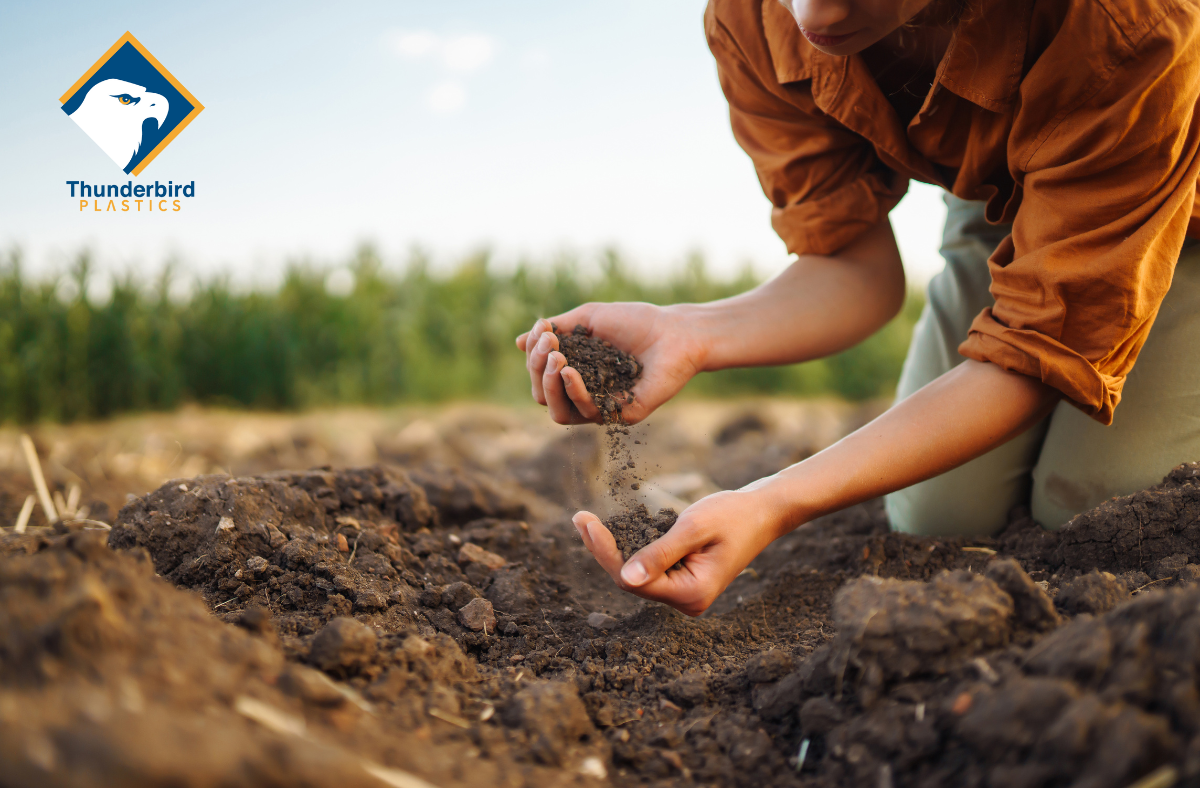 The health of the land is integral to the health of the population and one of the most important aspects of sustainable farming is the health of the soil. It is mainly the soil that determines the productivity of the crop, the cleanliness of the water systems, and the ability to sustain diverse biological systems. Soil is healthy when it contains the most carbon as a result of organic matter. Farming practices that preserve organic materials in the soil include cover cropping, crop rotation, and minimal tilling to reduce erosion. Not only do these farming behaviours lower carbon emissions into the atmosphere, they maximize the fertility of the soil [4].
Sustainable Water Management
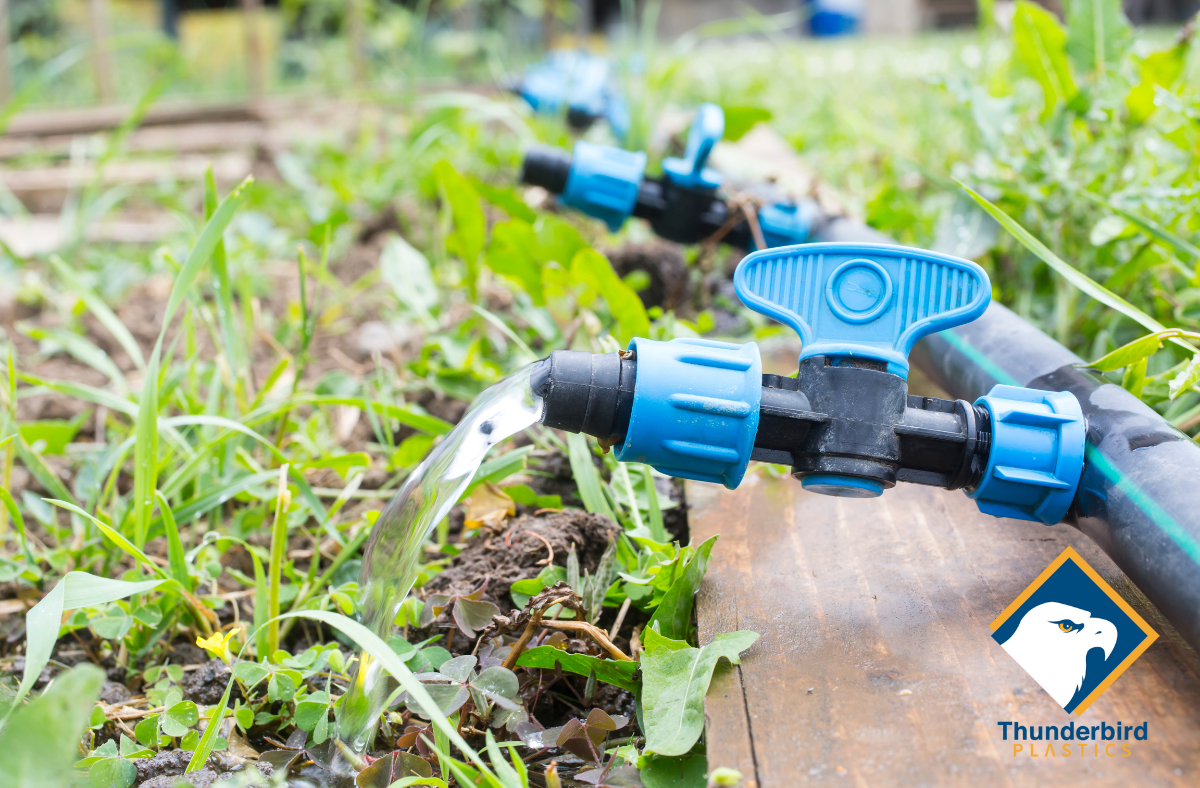 Globally, most communities face some type of water conservation concerns. Most commonly, individual households restrict their domestic water usage due to having to pay for this commodity. Additionally, many governments create bylaws around water usage for lawns, gardens, or for rainwater collection. The availability and distribution of water is a concern for most communities globally to some degree. As such, it follows that sustainable water management is beneficial to an agricultural operation as well as the larger community. Currently, many irrigation technologies still in use are outdated as they convey water through open channels where much of the exposed water evaporates. In the developing world, irrigation systems are less than 50% efficient [5]. For developed countries that belong to the Organization for Economic Cooperation and Development, an international organization founded in 1961 that promotes economic and social well-being globally, agricultural irrigation includes the use of pipes – a considerable improvement from exposed water channels [6]. Despite this, there are still more technologies that are available for adoption that would increase watering efficiency and minimize waste. Technological advancements in irrigation involve precise watering with exact dosages of water – an endeavour that requires extensive knowledge of the requirements of each crop. The benefits of making efforts toward water sustainability are numerous and include reduced costs, increased agricultural output, and greater climate resistance.
Biodiversity and Reduced Dependence on Harmful Chemicals
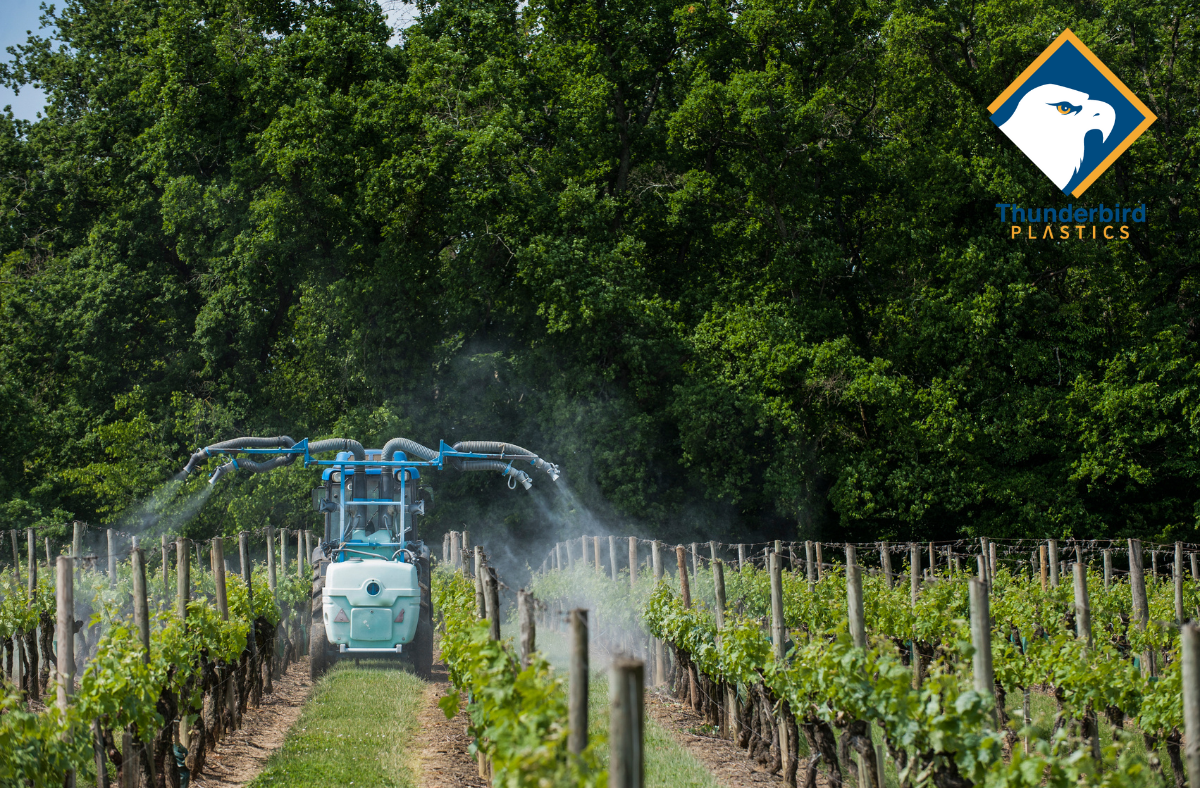 Like water, fertilizer, pesticides, and herbicides can be applied precisely. This reduces the need for potentially harmful chemicals, the runoff of which can pollute lakes, rivers, and groundwater. The dependence on harmful chemicals can be dramatically minimized through increased biodiversity which involves intercropping, crop rotation, cover cropping, and allowing multiple species to graze [7]. These agricultural practices result in Integrated Pest Management (IPM) which allows for natural predators of pests to thrive and the disruption of pest cycles. The rotation of crops, diversification, and planting cover crops during off seasons keep the soil enriched with nutrients naturally and prevent erosion, further minimizing the dependence on chemical fertilizers.
Agricultural professionals and surrounding governing bodies are exploring new chemical technologies to reduce waste in run-off waters. A 2024 study from the Society of Chemical Industry headquartered in London, UK tested a photocatalyst made from a combination of α-Fe2O3 and TiO2. This photocatalyst broke down lactose by 42% in dairy wastewater when exposed to UVA-visible light providing an affordable and ecofriendly solution to otherwise harmful waste. Wastewater from the dairy industry can be harmful because lactose can promote algal blooms, microbial growth, and general ecosystem imbalance in the surrounding ecosystem [9].
New Technologies and Analytics
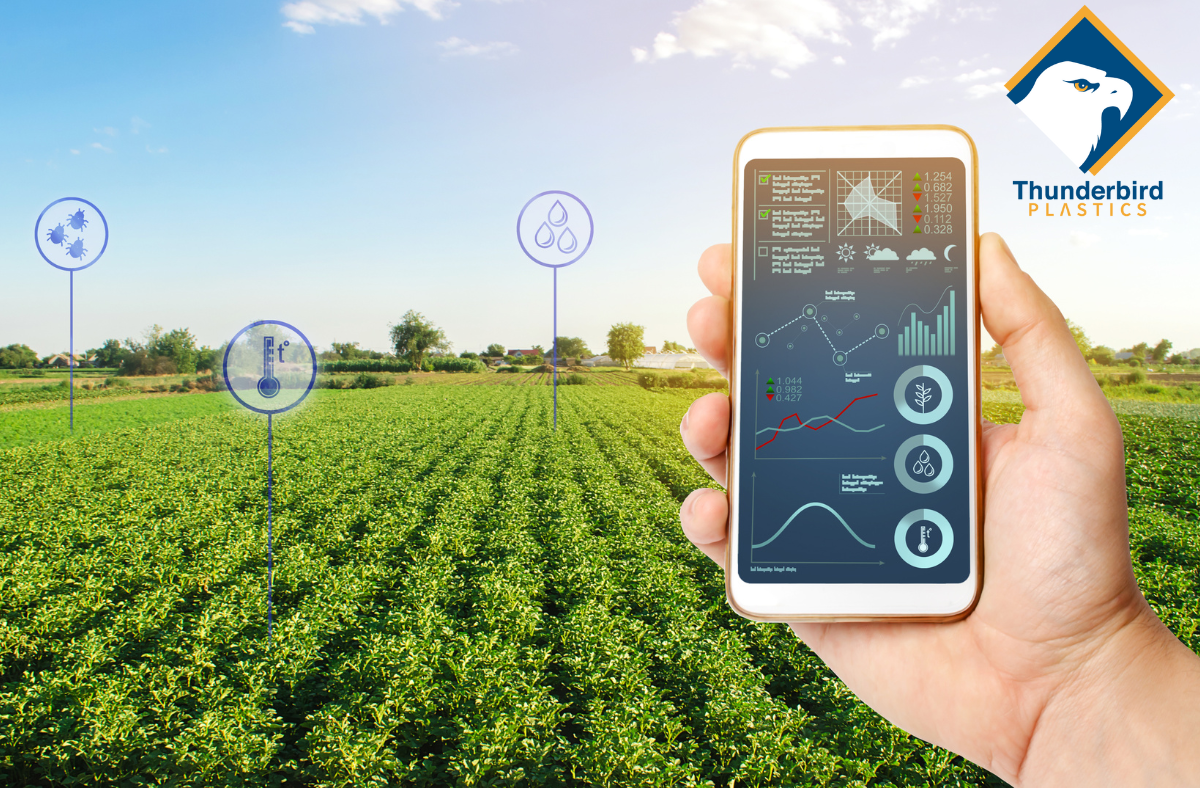 It has been well-established by now that a sustainable agricultural operation is beneficial and desirable for farmers, governments, and communities. There are many incentives to adopt new technologies including drones, satellite imagery, and soil sensors. Satellite imagery and geographic information systems can help decide the most efficient distribution of crops and irrigation based on land geography. Drones and soil sensors aid in precision agriculture by providing accurate data on where fertilizer and water requirements without unnecessary waste or negative impact on the environment. The collection of devices that collect this precise data and communicate with each other form an internet-connected cloud-based network, also referred to as an Internet of Things [9]. With the data and communication collected by Internet of Thing Sensors, blockchain technology is useful as it provides security and integrity to the data. Sustainable agriculture requires sustainable data and having it in a sharable, secure, and unchangeable format lets consumers, suppliers, and farmers trust in the quality, growing standards, and integrity of the contracts that bring produce from farm to table.
Sustainable and Recyclable Harvest Bins, Totes, and Agricultural Containers
 The agricultural industry is responsible for a massive portion of plastic usage globally. The largest part of agricultural plastic waste likely comes from films and nets used for crop covering and irrigation pipes, and there is an increasing focus on technologies that can recycle and reuse these materials [10]. Here at Thunderbird Plastics, we do our part to help alleviate plastic waste in the agricultural industry. We are proud to partner with our local municipalities to recycle plastics that would otherwise be sent to the landfill for agricultural uses. All of our agricultural supplies are recyclable and we will gladly accept any of our items at the end of their useful life for recycling into new products. We are committed to the sustainability of our operation and environmental sustainability for generations to come.
See our agricultural product line HERE and call us at 888.77T.BIRD or email us at info@thunderbirdplastics.com for more information on how we can help you achieve your sustainability goals.
References
[1] Dessart, F. J., Barreiro-Hurlé, J., & van Bavel, R. (2019). Behavioural factors affecting the adoption of sustainable farming practices: A policy-oriented review. European Review of Agricultural Economics, 46(3), 417–471. https://doi.org/10.1093/erae/jbz019
[2] Brooker, R. W., George, T. S., Homulle, Z., Karley, A. J., Newton, A. C., Pakeman, R. J., & Schöb, C. (2021). Facilitation and biodiversity–ecosystem function relationships in crop production systems and their role in sustainable farming. Journal of Ecology, 109(5), 1851-1870. https://doi.org/10.1111/1365-2745.13592
[3] Smith, C., & Morton, L. W. (2009). Rural food deserts: Low-income perspectives on food access in Minnesota and Iowa. Journal of Nutrition Education and Behavior, 41(3), 176–187. https://doi.org/10.1016/j.jneb.2008.06.008
[4] Sharma, P., Sharma, P., & Thakur, N. (2024). Sustainable farming practices and soil health: A pathway to achieving SDGs and future prospects. Discover Sustainability, 5, 250. https://doi.org/10.1007/s43621-024-00447-4
[5] Russo, T., Alfredo, K., & Fisher, J. (2014). Sustainable water management in urban, agricultural, and natural systems. Water, 6(12), 3934–3956. https://doi.org/10.3390/w6123934
[6]Nelms, C. E., Russell, A. D., & Lence, B. J. (2007). Assessing the performance of sustainable technologies: A framework and its application. Building Research & Information, 35(3), 237–251. https://doi.org/10.1080/09613210601058139
[7] Sullivan, P. (2003). Applying the principles of sustainable farming. National Center for Appropriate Technology. Retrieved from http://attra.ncat.org/attra-pub/PDF/Transition.pdf (accessed January 2011).
[8] Espinoza-Villalobos, N., Rojas, S., Barrientos, L., Salazar-González, R., Luna, D., Flores, C., & Escalona, N. (2024). Degradation of dairy wastewater using sustainable nanotechnology composed of α-Fe₂O₃/TiO₂ rod-shaped material and photocatalytic process: A complementary treatment approach for industrial wastewater. Journal of Chemical Technology & Biotechnology. https://doi.org/10.1002/jctb.7687
[9] Miloudi, L., Rezeg, K., Kazar, O., & Miloudi, M. K. (2020). Smart sustainable farming management using integrated approach of IoT, blockchain & geospatial technologies. In M. Ezziyyani (Ed.), Advanced Intelligent Systems for Sustainable Development (AI2SD’2019) (Vol. 1103, pp. 421–431). Springer, Cham. https://doi.org/10.1007/978-3-030-36664-3_38