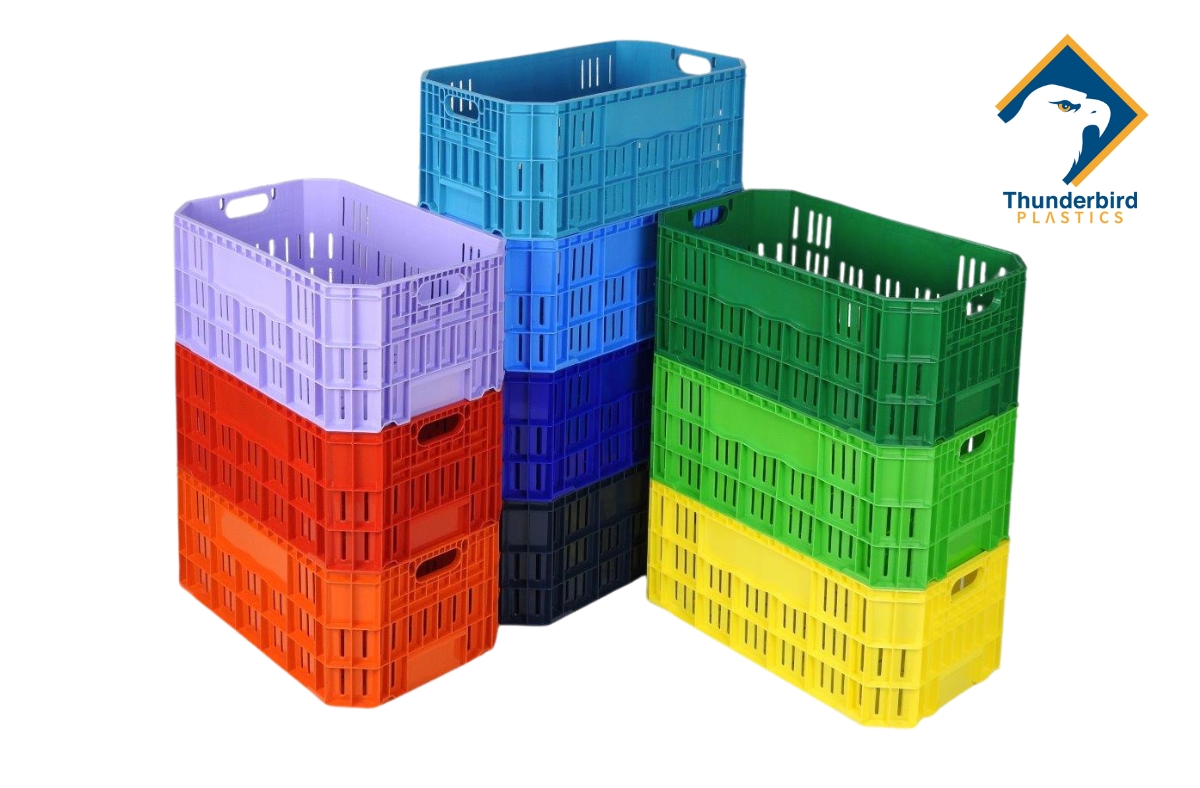
Long dominated by a linear “take-make-dispose” model, the global plastics economy has been the driver of serious environmental, economic, and public health challenges. Global annual production exceeds 400 million tonnes, but recycling rates remain below ten percent [1]. It is this linear approach that has caused massive waste accumulation in many areas beyond landfills, such as oceans, rivers, soils, and even urban environments. 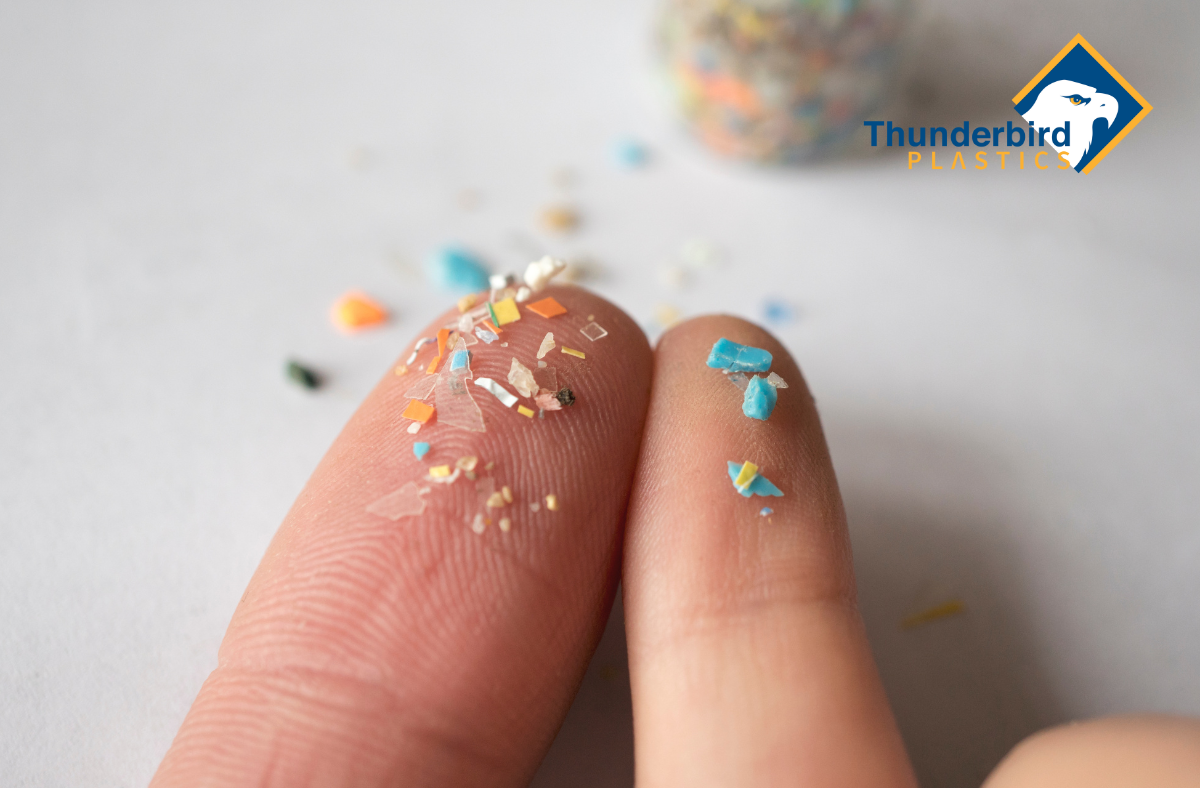 With these plastics fragmenting into microplastics, particles are now pervasive in marine life, all food sources, drinking water, and even human tissue, underscoring the urgency of upstream intervention. However, the solution to these problems is not as simple as eliminating the use of plastics in favor of materials like glass or metal, the transport of which would greatly increase current CO₂ emissions due to higher weight and energy demand in manufacturing and logistics. By prioritizing material recovery and reuse, closed-loop manufacturing offers a scientifically and economically viable alternative due to scientific advancements in mechanical recycling, chemical depolymerization, material traceability, and product design [2].
Closed-Loop Principles
Historically, industrial practices have favored a linear approach due to the lower upfront costs, low regulatory enforcement, and existing supply chains being optimized for virgin material. Adopting closed-loop principles means integrating post-consumer materials into the supply chain, an emphasis on preserving polymer properties during recycling, and a focus on durable product design [3]. It is also necessary to forego short-term gain and adopt new technologies to deal with difficulties such as contaminated material and additive complexity. Regulatory mandates and environmental pressures are increasingly motivating and obligating companies to adopt circular practices [4]. For example, Extended Producer Responsibility (EPR) in the European Union and Canada requires manufacturers to manage end-of-life plastic products. This creates an incentive for companies to design products that can be easily recycled and to invest in recovery infrastructure [5]. Beyond compliance, a circular model offers economic advantages by yielding highly marketable recycled-content products, appealing to an increasingly eco-conscious consumer market.
In order to minimize environmental impact while maintaining business viability, both technological innovation and regulatory oversight are necessary. As stated above, contamination, additive chemistry, and complex multi-material products complicate closed-loop industrial strategies. Success requires coordination of product design, industrial practice, and regulatory frameworks.
Technical Pathways to Closed-Loop Plastics
Transitioning to closed-loop industrial practice involves integrating several technical strategies that maintain polymer quality while minimizing environmental leakage to not inadvertently exacerbate the problem. The current technological strategies include mechanical and chemical recycling, emerging enzymatic breakdown processes, and design innovations, each with distinct commercial and scientific implications. These technological strategies can be grouped into four classifications of recycling: primary recycling, secondary recycling, tertiary recycling, and energy recovery. 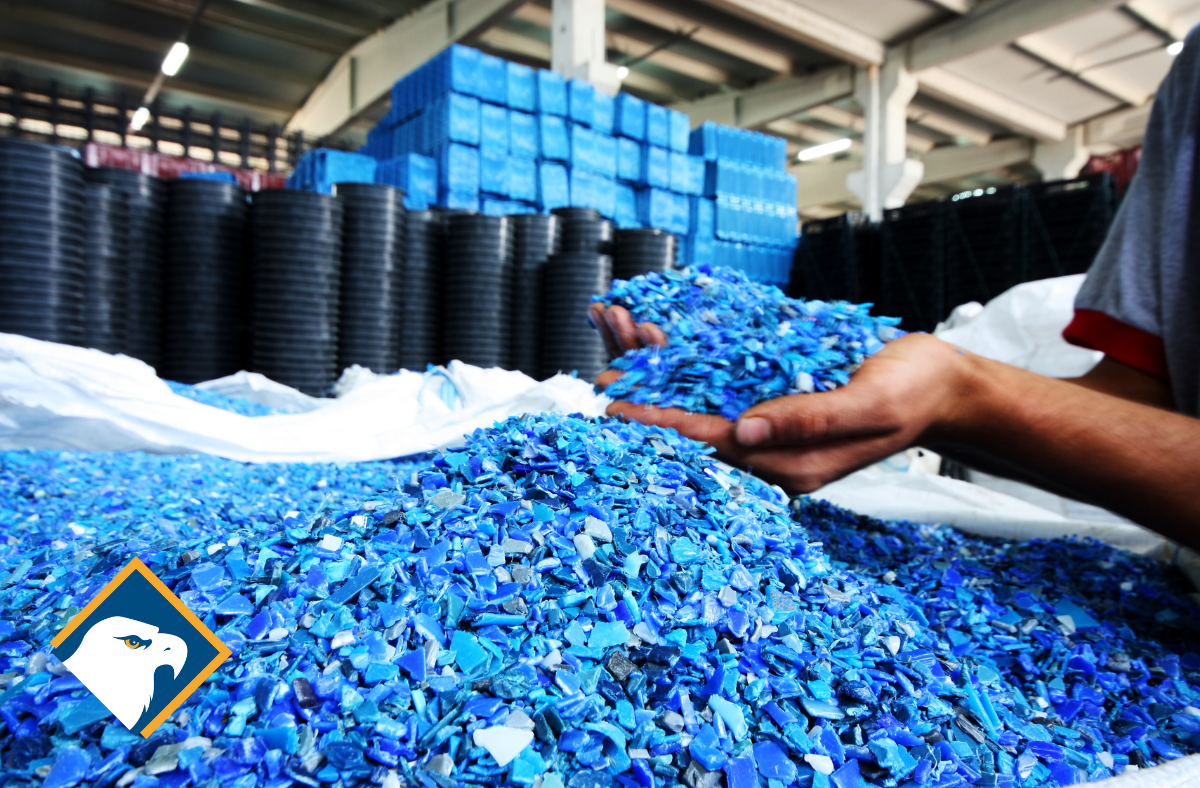 Primary and secondary recycling use mechanical processes to break down clean and sorted waste to create new products without significant quality loss to the material. Tertiary recycling involves using chemical and enzymatic methods on polymers for which straightforward mechanical recycling is not suitable. Energy recovery is a quaternary recycling process where plastics that are no longer suitable for material recovery are broken down for fuels by pyrolysis, a process that breaks down the plastic by heating it to high temperatures in the absence of oxygen. This process can produce liquid fuels, oils, gases, and solid residue [6].
Products Designed for a Closed-Loop System
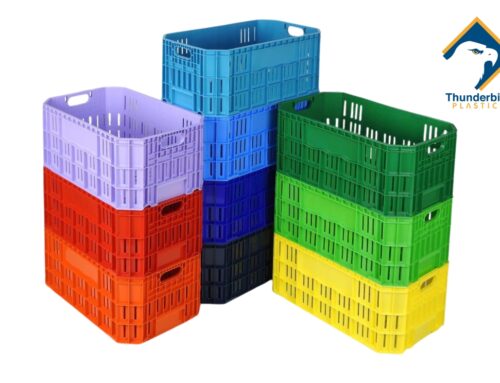
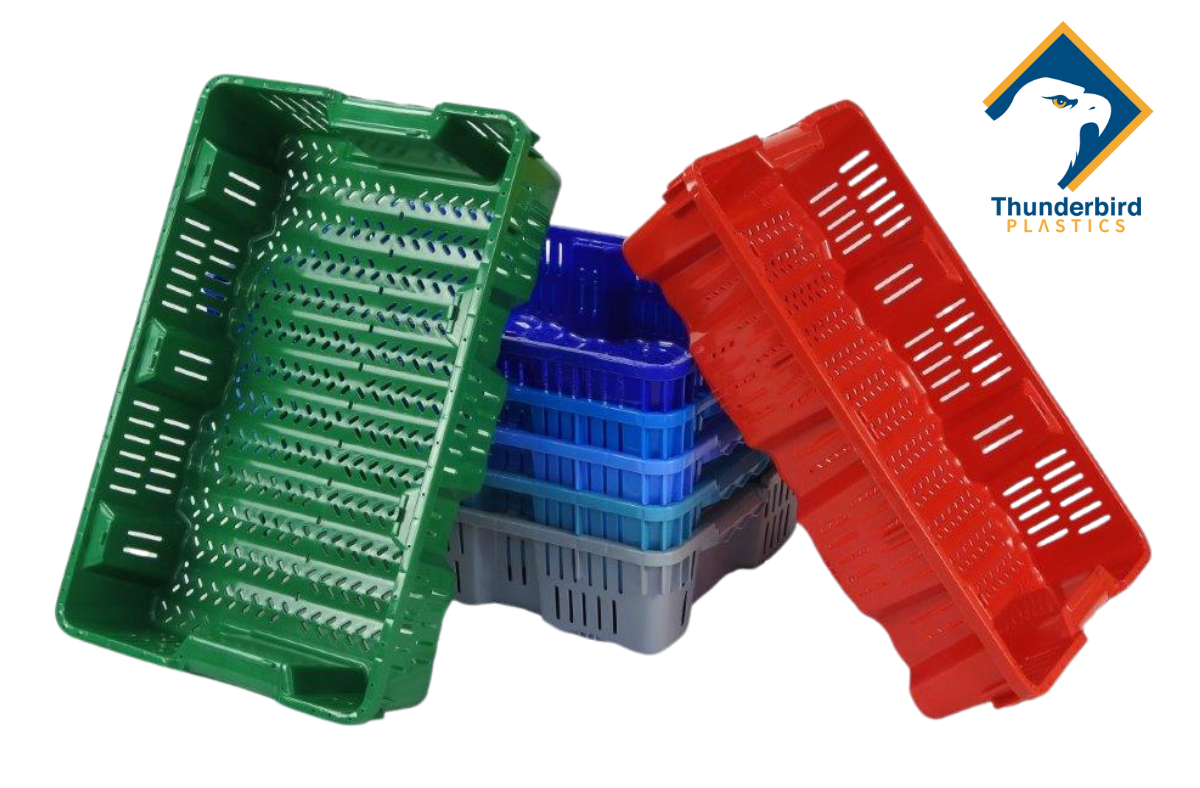
One of the most crucial parts of maintaining a closed-loop system is to audit the product design process in favor of designs and materials that are highly recyclable. When products are initially made with their eventual end of useful life and recycling in mind, they can be successfully repurposed into new products. At Thunderbird Plastics, all of our products are designed for a closed-loop system. We take back any of our products at the end of their life with the guarantee that they will be used to make new products. This is possible because we use the highly recyclable HDPE in our products, and we avoid any complicated components, films, and coatings to maintain maximum recyclate quality. When businesses emphasize production of monomaterial products, reduce additives, standardize plastic grades, and use easily disassemblable components, they benefit from lower sorting costs, regulatory compliance, and elevated brand reputation [4].
Mechanical Recycling
Mechanical recycling involves the collection, sorting, cleaning, chopping, and remelting of plastic waste to produce what is called secondary raw material [7]. The sorting process involves a combination of automated and manual tasks. 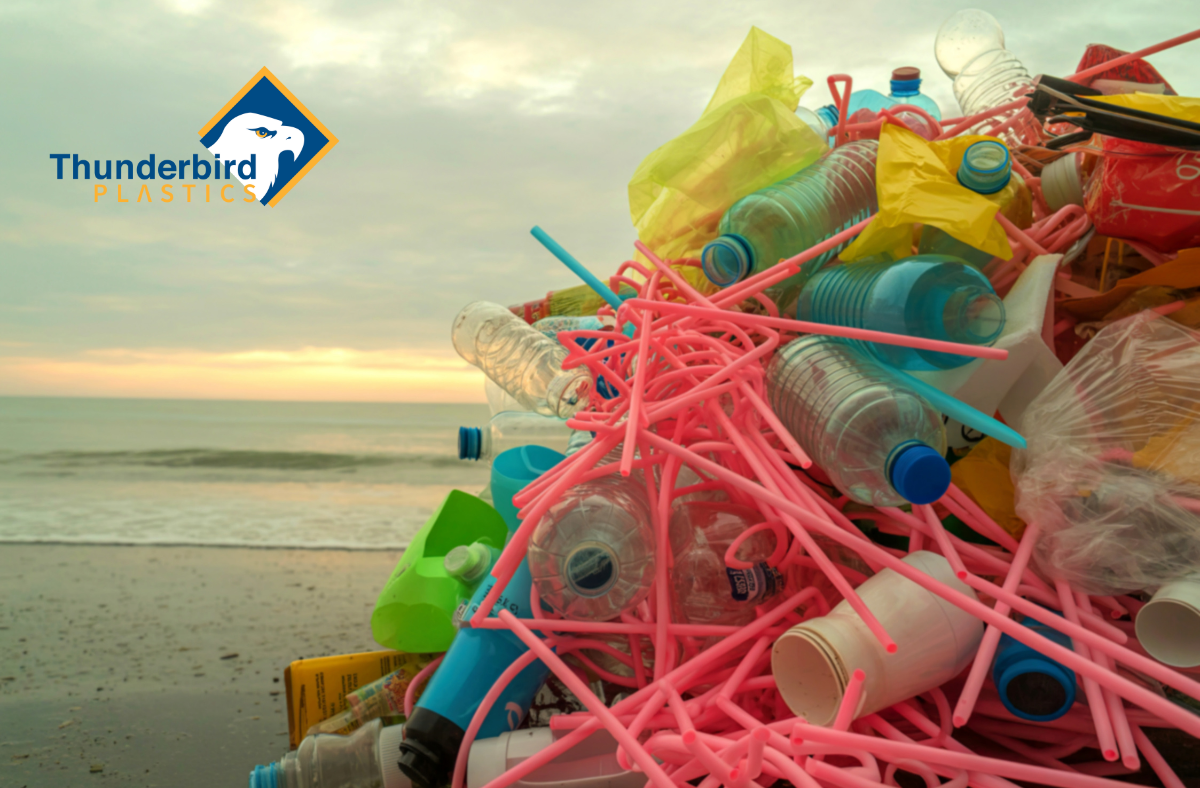 Near infrared (NIR) spectroscopy is used to sort plastic based on color, with further sorting including technologies such as “x-rays, density, electrostatics, melting point, hydrocyclings, selective dissolution, and manual sorting.” Once flaked, the plastics can be further separated using sink/float methods, air streams, and heat discoloration for optical sorting equipment [8]. Mechanical recycling is most effective for homogenous materials like polyethylene terephthalate (PET) and high-density polyethylene (HDPE) because polymer degradation and additives are minimal. From a business perspective, mechanical recycling offers an alternative to virgin material, especially when sourced from municipal recycling streams where HDPE and PET supply is steady and reliable. Downsides include a requirement to invest in infrastructure to obtain, clean, sort, and control for contamination.
Chemical Recycling
Chemical recycling is a process that turns polymers back into monomers or fuels. This method is employed when plastics are difficult to recycle manually due to composite materials, multilayer packaging, contamination, or the presence of films. The main chemical recycling methods include pyrolysis, gasification, depolymerization, solvolysis, hydrogenolysis, and enzymatic recycling. As stated above, pyrolysis means heating the plastic in the absence of oxygen. This process can be used to yield reusable monomers. Gasification converts plastics into a mixture of hydrogen and carbon monoxide (CO) for fuels or new plastics. Depolymerization is used on polymers like PET, polystyrene (PS), and nylon to turn them back into their original monomers. Solvolysis uses solvents to dissolve and break down plastics. Finally, enzymatic recycling involves the use of specialized enzymes to degrade plastics into monomers [9]. From a business standpoint, using this method will secure a steady material supply, but it is expensive and has a high energy demand. Fluctuating quality and consistency of input materials collected for recycling may also demand an agility of methodology that limits scalability [10].
Biological Depolymerization
During biological depolymerization, enzymes or microorganisms break down polymers into monomers or smaller molecules. This is a low-energy-demand alternative to chemical depolymerization. In 2016, scientists discovered a bacterium that has two enzymes that can hydrolyze PET into an energy source. One of these enzymes, called PETase, was engineered for an amino acid change by a machine-learning algorithm to make it stable and effective at a wider range of temperatures and depolymerize PET twice as fast [11]. Currently, biological depolymerization is not widely applied, with challenges including difficulty for the enzyme to break down highly crystallized PET. However, it is an exciting prospect for the future, where industrial deployment could provide a highly sustainable pathway for difficult-to-recycle plastics [12]. From a business perspective, early adoption could be a significant competitive advantage due to low energy costs.
Digital Product Passports
Digital product passports are systems that track a product’s composition and prior history. These digital records enable transparency and efficient recycling across various facilities. Blockchain-based tracking and material standardization are emerging tools and enable a closed-loop production system [13]. However, from a business standpoint, additional infrastructure and labor are required to collect and manage data, which may be cost-prohibitive when producing smaller and low-profit-margin items, at least while the technology is new.
Technologies for Closed-Loop Plastic Systems
An effective closed-loop system requires coordination between several technologies. Mechanical recycling is a cost-effective solution for homogenous products, while chemical and enzymatic/biological recycling expands capacity for mixed composition and difficult-to-recycle products. Designs optimized for recycling and digital traceability further enhance circularity potential. Together, all of these pathways form a comprehensive foundation for businesses building a closed-loop system.
Implementing Closed-Loop Models
When implementing a closed-loop business model, a company can take several approaches, including product take-back programs, procuring contracts for material from other companies, and enacting leasing models to retain product ownership. While some businesses may need a large process overhaul, the benefits include long-term cost savings, supply chain resilience, and a strong brand reputation. At Thunderbird Plastics, we hold a contract with our local municipal government to recycle plastics components once they are no longer usable. While this recovered material cannot be used to make products that are intended for holding food, it is perfect for many other applications. We have been focused on a closed-loop business model since our inception, and we are always taking steps towards building our supply chain around this core value. Keep an eye out for an exciting development here at Thunderbird Plastics around recovered marine plastics.
Government Regulations and Industry Policies and Standards
Much of the responsibility to recycle plastics thus far has been placed on individuals to change their consumer behavior. The pressure on consumers to make ecologically conscious choices has allowed corporations to avoid responsibility for decades in favor of ever greater profit margins. Systemic, industrial-level changes are far more effective for the plain reason that consumers having a plethora of purchasing choices – both sustainable and not – is largely a myth. Retail chains may carry many products that give the illusion of diversity of brand ownership, but a close look upstream quickly reveals that most brands are owned by a mere handful of conglomerates. Historically, it has been smaller companies that offer environmentally sustainable options, but due to increased costs of running a small-scale supply chain, the average consumer cannot afford to shoulder the extra costs of such products. This is why government regulation is such a crucial part of circularity. Extended Producer Responsibility policies hold manufacturers accountable for end-of-life management of their products, which encourages optimized-for-recycling designs and investment into closed-loop infrastructure. The responsibility begins at the top, and it is governments and industry regulatory bodies only that can impose these necessary changes. Relying solely on voluntary corporate action has proven insufficient because CEOs’ main concern is giving their shareholders good news each quarter.
The Path Forward
A circular plastics system is within reach when industries adopt the appropriate technology, build their business models around circularity, and when regulatory bodies impose standards. Advances in technology can turn waste into high-quality material, while better product design improves recyclability. Policies such as extended producer responsibility, product-return programs, and other regulations create the incentives needed for large-scale change. 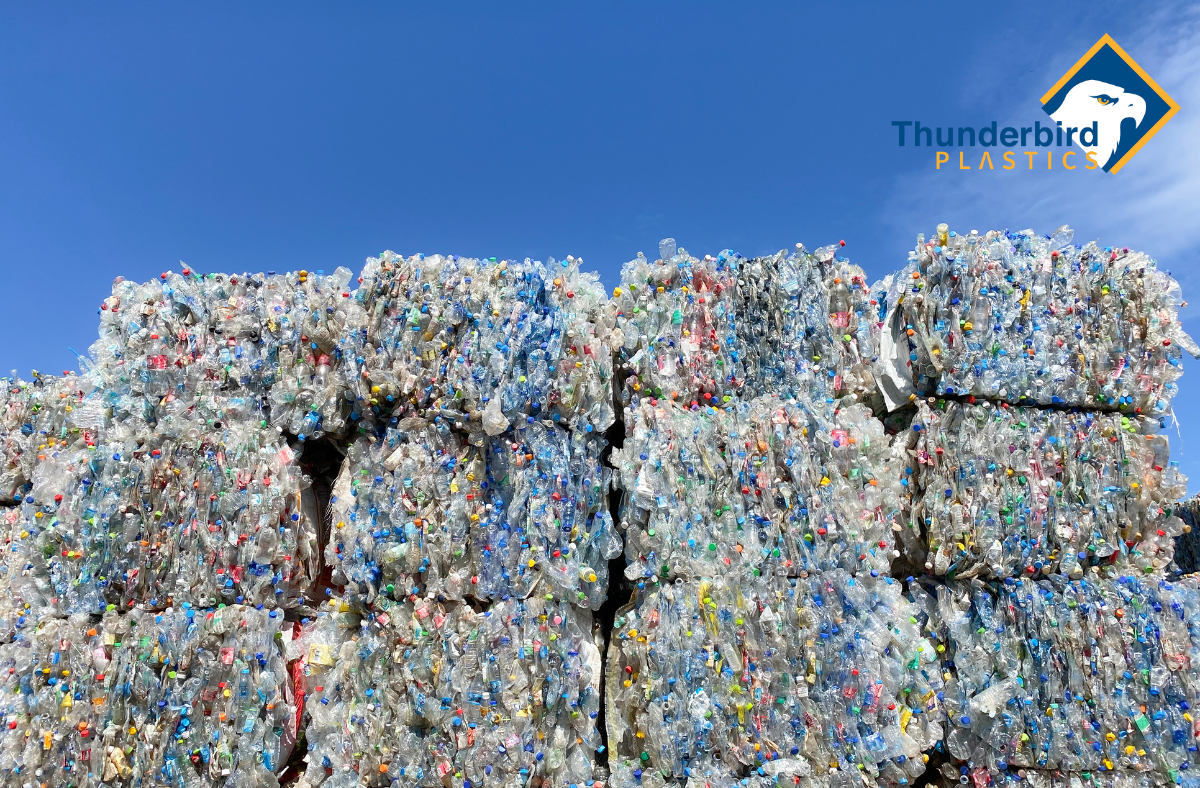 Consumer demand is helpful, but the greatest influence on the current state of plastic lies with policymakers and business leaders. An alignment between regulating bodies and overall circular design can shift the current linear waste stream of plastics to a closed-loop system that protects the environment while delivering long-term economic value.
Closed-Loop Infrastructure at Thunderbird Plastics
At Thunderbird Plastics, our goal has always been a closed-loop business model. In addition to recycling municipal waste plastics, we are working on enhancing our supply chain with additional recycled and recovered plastics. 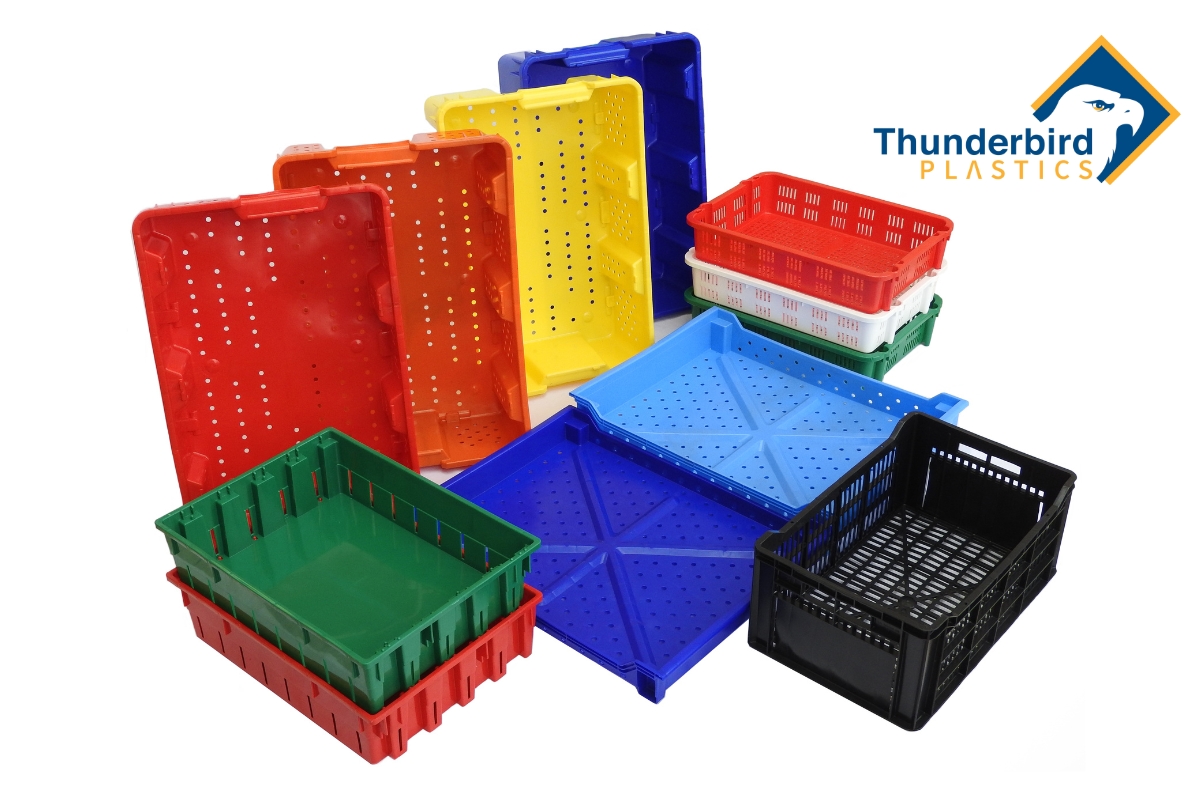 Stay tuned to hear more about where we are sourcing our recycled plastics from. As always, we are forever committed to taking back our products at the end of their useful life with the guarantee that none of them will end up in the landfill. See our entire product line here.
Call us today at 888.77T.BIRD or email us at info@thunderbirdplastics.
References
1. Roland Geyer et al., Production, use, and fate of all plastics ever made.Sci. Adv.3,e1700782(2017). https://www.science.org/doi/pdf/10.1126/sciadv.1700782?fbclid=IwAR1W32
2. Hyuni Jung, Giyoung Shin, Hojung Kwak, Lam Tan Hao, Jonggeon Jegal, Hyo Jeong Kim, Hyeonyeol Jeon, Jeyoung Park, Dongyeop X. Oh, Review of polymer technologies for improving the recycling and upcycling efficiency of plastic waste, Chemosphere, Volume 320, 2023, 138089, ISSN 0045-6535, https://doi.org/10.1016/j.chemosphere.2023.138089.(https://www.sciencedirect.com/science/article/pii/S0045653523003569)
3. Kirchherr, J., Reike, D., & Hekkert, M. (2017). Conceptualizing the circular economy: An analysis of 114 definitions. Resources, Conservation & Recycling, 127, 221–232. https://doi.org/10.1016/j.resconrec.2017.09.005
4. Ellen MacArthur Foundation. (2021). The circular economy in plastics: Redefining the future. https://www.ellenmacarthurfoundation.org
5. European Commission. (2018). Directive (EU) 2018/851 on waste: Amending Directive 2008/98/EC. Official Journal of the European Union. https://eur-lex.europa.eu/eli/dir/2018/851/oj/eng
6. Thiounn, T., & Smith, R. C. (2020). Advances and approaches for chemical recycling of plastic waste. Journal of Polymer Science. https://doi.org/10.1002/pol.20190261
7. Vollmer, I., Jenks, M. J. F., Roelands, M. C. P., White, R. J., van Harmelen, T., de Wild, P., van der Laan, G. P., Meirer, F., Keurentjes, J. T. F., & Weckhuysen, B. M. (2020). Beyond mechanical recycling: Giving new life to plastic waste. Angewandte Chemie International Edition, 59(36), 15402–15423. https://doi.org/10.1002/anie.201915651
8. Schyns, Z. O. G., & Shaver, M. P. (2020). Mechanical recycling of packaging plastics: A review. Macromolecular Rapid Communications. https://doi.org/10.1002/marc.202000415
9. Huang, J., Veksha, A., Chan, W. P., Giannis, A., & Lisak, G. (2022). Chemical recycling of plastic waste for sustainable material management: A prospective review on catalysts and processes. Renewable and Sustainable Energy Reviews, 154, 111866.
10. Rahimi, A., & García, J. M. (2017). Chemical recycling of waste plastics for new materials production. Nature Reviews Chemistry, 1(6), 0046. https://www.sci-hub.se/10.1038/s41570-017-0046
11. Krämer, K. (2022, May 9). AI-engineered enzyme eats entire plastic containers. Chemistry World. https://www.chemistryworld.com/news/ai-engineered-enzyme-eats-entire-plastic-containers/4015620.article
12. Tournier, V., Topham, C. M., Gilles, A., David, B., Folgoas, C., Moya-Leclair, E., Kamionka, E., Desrousseaux, M.-L., Texier, H., Gavalda, S., Cot, M., Guémard, E., Dalibey, M., Nomme, J., Cioci, G., Barbe, S., Chateau, M., André, I., Duquesne, S., & Marty, A. (2020). An engineered PET depolymerase to break down and recycle plastic bottles. Nature, 580(7802), 216–219. http://kinampark.com/T-Polymers/files/All%20References/Tournier%2C%202020%2C%20An%20engineered%20PET%20depolymerase%20to%20break%20down%20and%20recycle%20plastic%20bottles.pdf
13. Steffen Foldager Jensen, Jesper Hemdrup Kristensen, Sofie Adamsen, Andreas Christensen, Brian Vejrum Waehrens, Digital product passports for a circular economy: Data needs for product life cycle decision-making, Sustainable Production and Consumption, Volume 37, 2023, Pages 242-255, ISSN 2352-5509, https://doi.org/10.1016/j.spc.2023.02.021.